Driving Test PEI: Free Class 7 Beginner’s Permit Practice 5
- The test is based on questions taken from the PEI Driver’s Handbook.
- You will be asked about Rules of The Road, Signs, Pavement Markings, and Work Zones, Speed Limits, Following Distances and Driving Skills.
- The test is a series of multiple choice questions.
Need the handbook?
Download the official PEI Driver’s Handbook PDF for free.
Reminder: To obtain your PEI Instruction Driver’s Permit (Class 7 license), you will need to pass a written or oral test.
What does this sign signify?
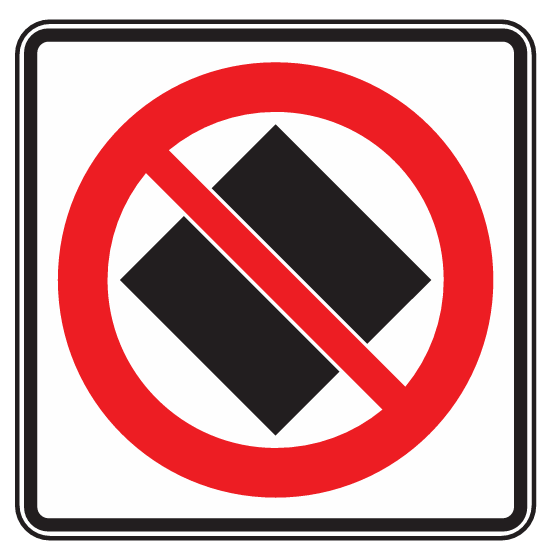
High-occupancy vehicles prohibited.
Dangerous goods carriers prohibited.
Heavy cargo trucks permitted only.
Explosive vehicles permitted only.
This sign indicates that vehicles carrying dangerous or hazardous goods are not permitted beyond this point.
To stop hydroplaning, what should you do first?
Turn the wheel sharply.
Take your foot off the gas.
Accelerate quickly.
Shift to neutral immediately.
The immediate first step to recover from hydroplaning is to ease off the accelerator to slow down until the tires regain traction with the road surface.
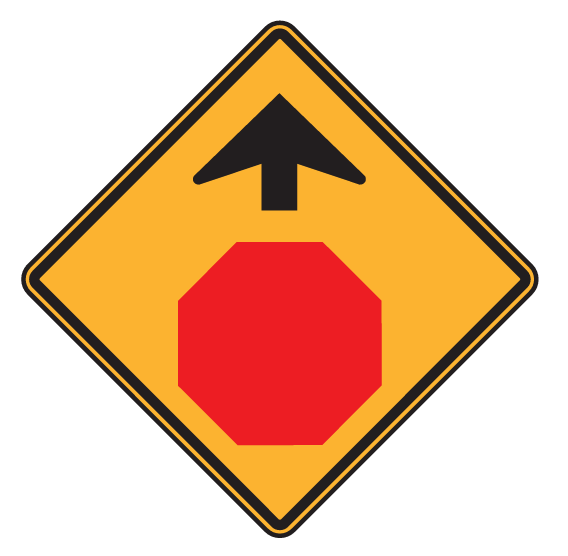
What does this sign signify?
Detour sign ahead.
Yield sign ahead.
Stop sign ahead.
Crossbuck sign ahead.
This warning sign alerts drivers that a stop sign is coming up ahead, so they should prepare to slow down and stop safely.
What does this sign represent?
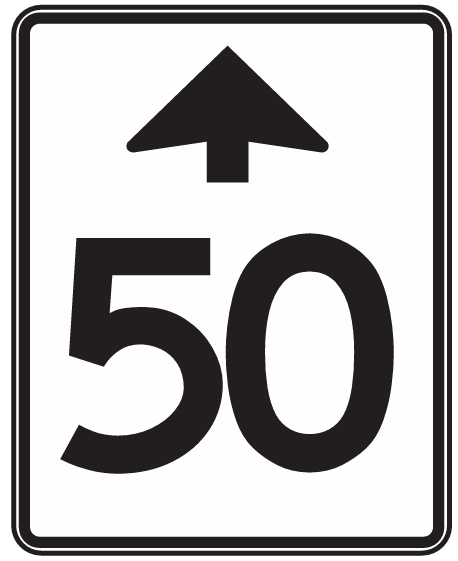
Lower maximum speed limit ahead.
Lower minimum speed limit ahead.
Higher minimum speed limit ahead.
Higher maximum speed limit ahead.
This sign gives advance warning that a lower maximum speed limit zone is ahead and drivers should prepare to reduce speed.
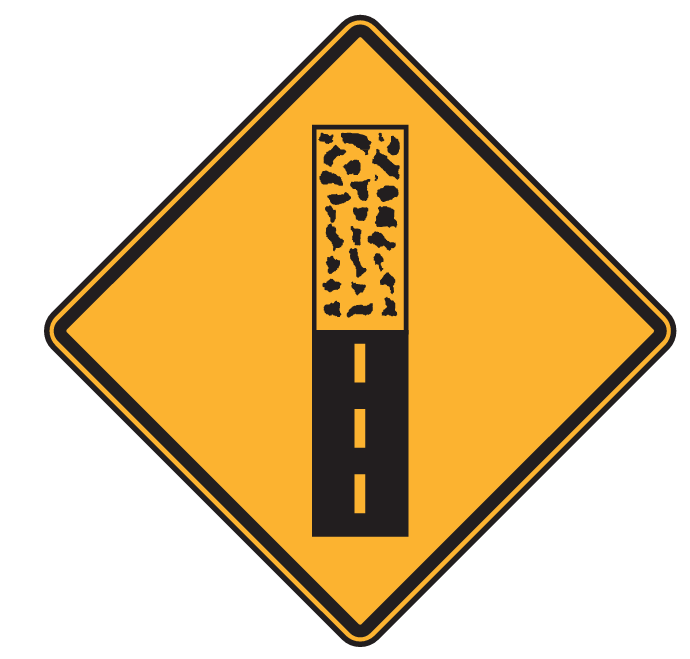
What does this sign signify?
Road closed ahead.
Construction ahead.
Pavement ends ahead.
Dead end ahead.
This warning sign indicates that the paved roadway ends ahead and continues as a gravel surface.
On an undivided highway, who must stop for a school bus with red lights flashing?
Only traffic following the bus.
Only traffic meeting the bus.
Traffic from both directions.
No one needs to stop.
On an undivided highway, drivers in both directions must stop for a school bus displaying flashing red lights and remain stopped until the lights stop flashing.
When exiting a driveway or alleyway, you must yield to:
Only large trucks.
Traffic on the highway.
Vehicles turning left.
Nobody, you have priority.
When exiting a driveway or alleyway, you must yield the right-of-way to all vehicles and pedestrians on the main roadway before entering.
What does this road sign indicate?
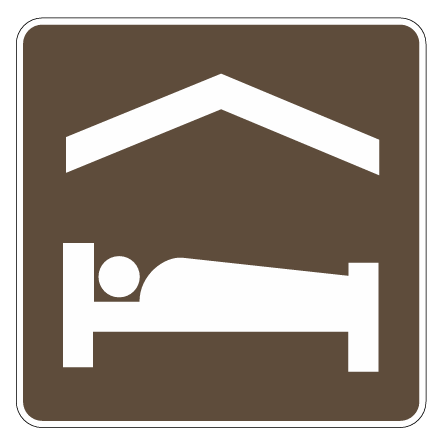
Hospital services.
Accommodations.
Tourist information.
Campground ahead.
This service sign indicates that lodging or accommodation facilities are available nearby for travelers.
To make a right turn, heavy vehicles often need to:
Speed up before the turn.
Stay close to the curb.
Swing wide to the left.
Turn from the center lane.
Heavy vehicles must swing wide to the left before making a right turn to prevent their rear wheels from hitting or climbing the curb.
When should you signal for a lane change?
After you have moved.
Never signal for lane changes.
Only if other cars are close.
Well in advance.
You must activate your turn signal well in advance of a lane change to give surrounding drivers ample time to notice and react to your intentions.
What does this road sign indicate?
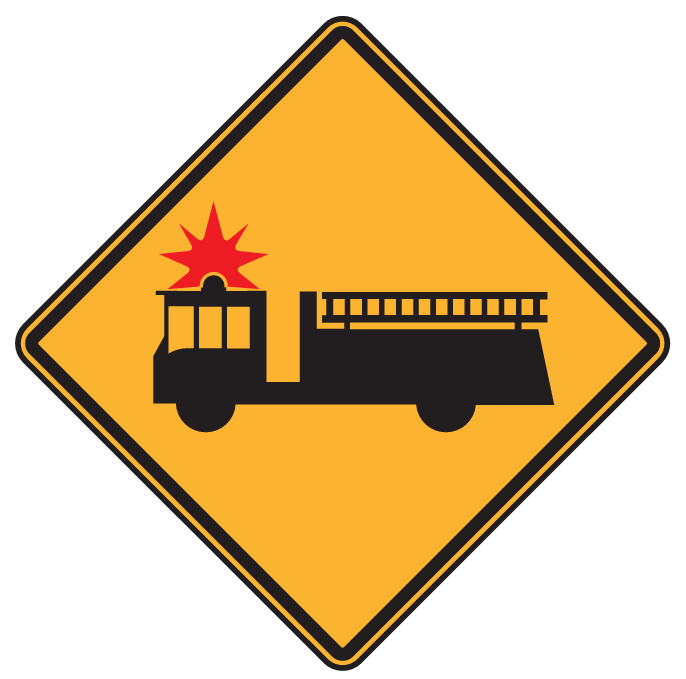
Fire truck entrance ahead.
Construction vehicle crossing.
No parking for trucks.
Industrial zone ahead.
This warning sign alerts drivers that emergency vehicles, specifically fire trucks, may be entering or crossing the roadway ahead, so you must be alert and prepared to yield.
What does this road sign mean?
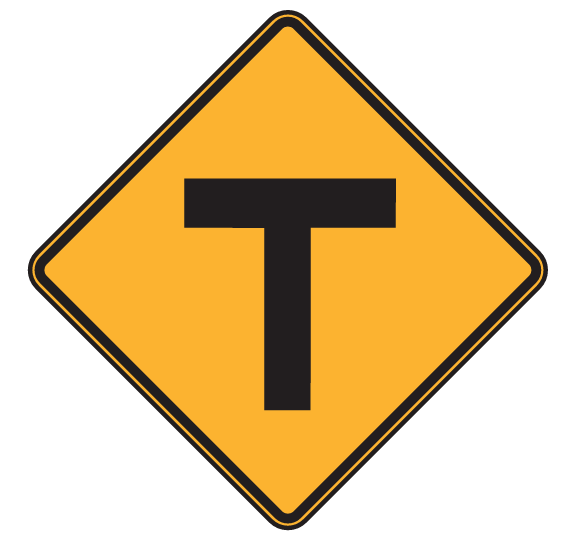
Two-way traffic starts.
Through traffic only.
Toll plaza ahead.
T-intersection ahead.
This warning sign indicates that the road you are traveling on ends ahead at a T-intersection. You must prepare to turn either left or right.
What does this sign represent?
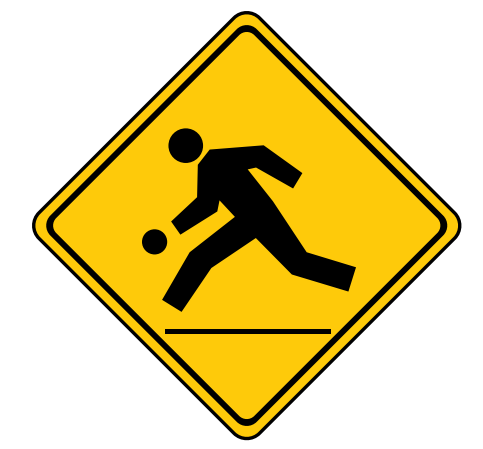
Children play zone ahead.
School sports zone ahead.
Pedestrian crosswalk ahead.
Playground area ahead.
This warning sign indicates a playground area ahead where children may be present near or crossing the roadway.
If you are following an emergency vehicle, you must stay back:
50 metres.
150 metres.
100 metres.
200 metres.
Drivers are legally required to maintain a minimum following distance of 150 metres behind an emergency vehicle that has its sirens or lights activated.
What does this hand signal represent?
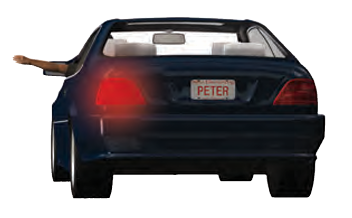
Left turn.
Right turn.
Slow down or stop.
U-turn.
A driver extends their left arm straight out of the window to indicate an intention to turn left or move left.
When meeting an oncoming vehicle, dim your high beams within:
150 meters.
50 meters.
200 meters.
300 meters.
Drivers must switch to low beams within 150 meters of an oncoming vehicle to avoid causing glare and reducing the other driver's visibility.
What does this road sign mean?
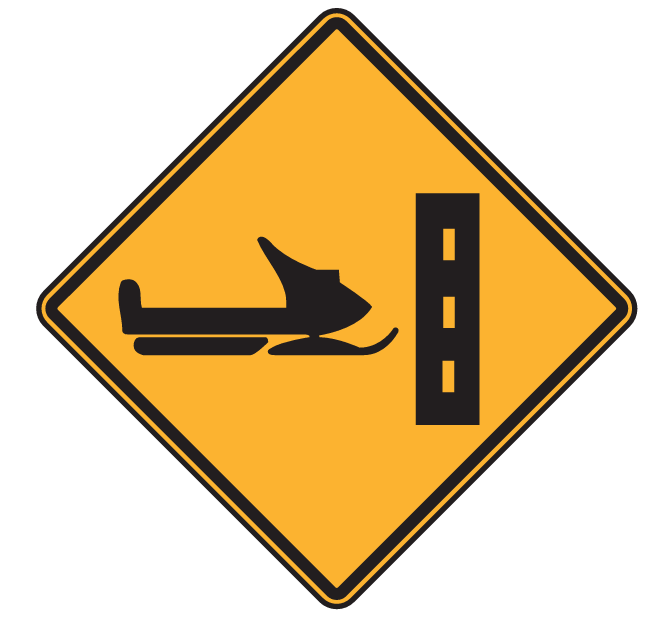
Snowmobile parking.
Snowmobile inspection.
Snowmobiles prohibited.
Snowmobile entrance.
This warning sign alerts drivers that snowmobiles may be entering or crossing the roadway ahead, so you must proceed with caution.
If a traffic light turns amber while you are in the intersection, you should:
Back out of the intersection.
Stop immediately in the middle.
Proceed with caution.
Wait for the light to turn green.
Drivers already in an intersection when the light turns amber should proceed cautiously and clear the intersection when it is safe to do so.
If you are being tailgated, what should you do?
Brake hard to scare them.
Speed up significantly.
Maintain your position and block passing attempts.
Slow down slightly to encourage passing.
When being tailgated, you should gradually reduce your speed to create more stopping space ahead and encourage the tailgater to safely pass you.
What headlights should you use when driving in fog?
Low beams.
High beams.
Hazard lights.
Interior lights.
You should use low beams in fog because high beams reflect off the moisture droplets in the air, creating a blinding glare that reduces your visibility.